Catching Up With an Old Friend
Our field work in 2011 brought us back to a favorite areas of Chile…the region where the Chile Mountains False Toad lives. We are developing captive assurance colonies of this species at the National Zoo of Chile in Santiago. We have also been monitoring a population in south-central Chile for emergent infectious amphibian disease. In addition, our research group just published a paper on this species:
Fenolio, D.B., A. Charrier, M.G. Levy, M.O. Fabry, M.S. Tirado, M.L. Crump., W.W. Lamar, & P.
Calderón. 2011. A review of the Chile Mountains False Toad, Telmatobufo venustus (Amphibia:
Anura: Calyptocephalellidae) with comments on its conservation status. Herpetological Review
42(4): 514–519.
Here are some images from our field work with these amazing and critically endangered frogs…

Chile Mountains False Toads like to live near rapidly flowing mountain streams.
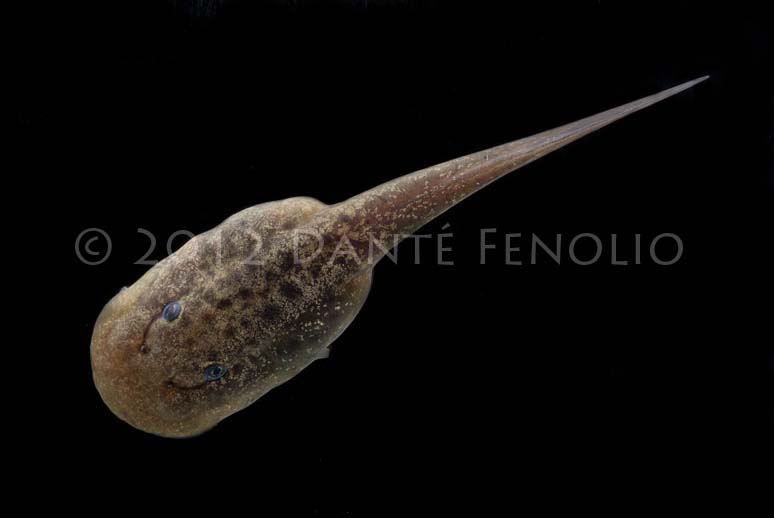
The tadpole of the Chile Mountains False Toad (Telmatobufo vesutus) is stream adapted. Tadpoles have a suctorial disc around their mouths, helping them hold onto the rocks in the quickly flowing rapids where they live and helping them to scrape food from the substrate.
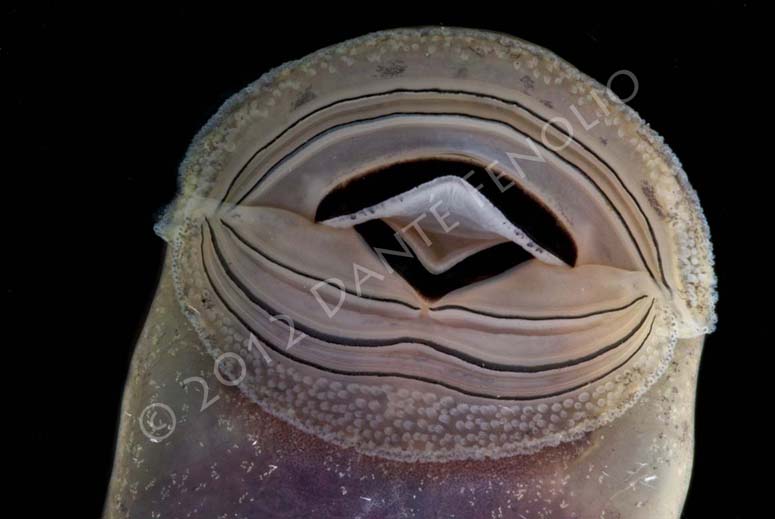
A close up of the specialized mouth of the tadpole of the Chile Mountains False Toad.
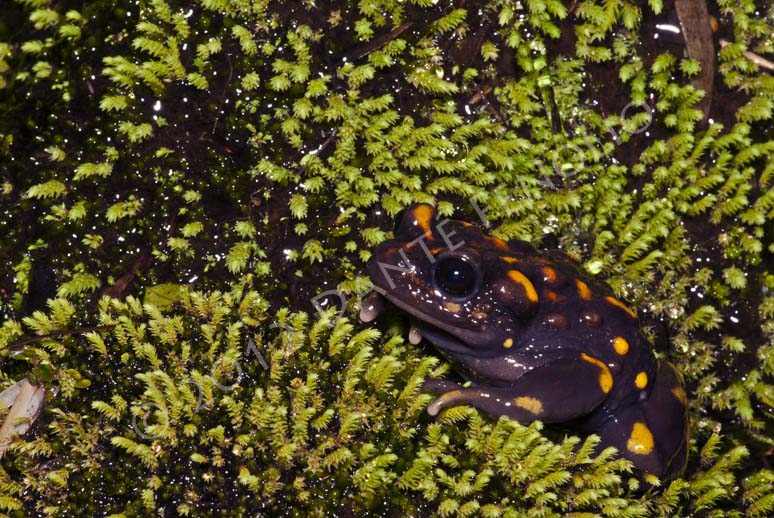
A Chile Mountains False Toad (Telmatobufo vensutus) in-situ.
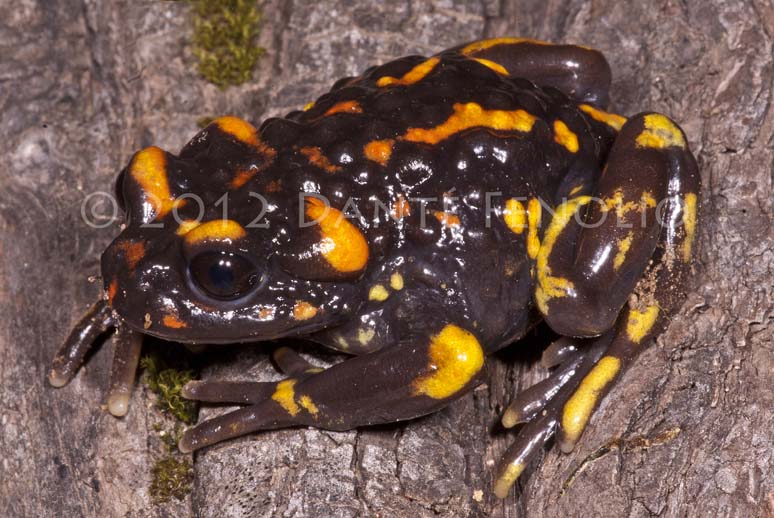
Chile Mountains False Toads are among the most colorful of Chile’s amphibians.
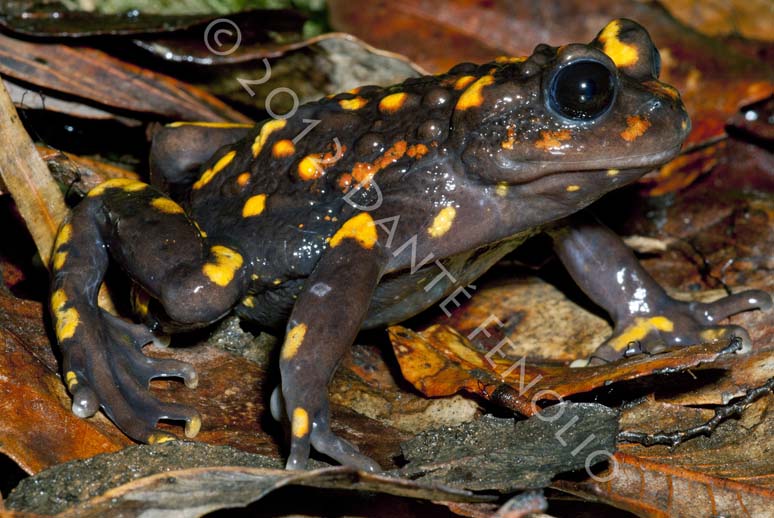
An adult female Chile Mountains False Toad (Telmatobufo vensutus).
More Frogs at the Zoo
Late in 2011 our field team assembled again and went out to collect frogs for our assurance colonies at the National Zoo of Chile in Santiago. Here are a few shots from that process…
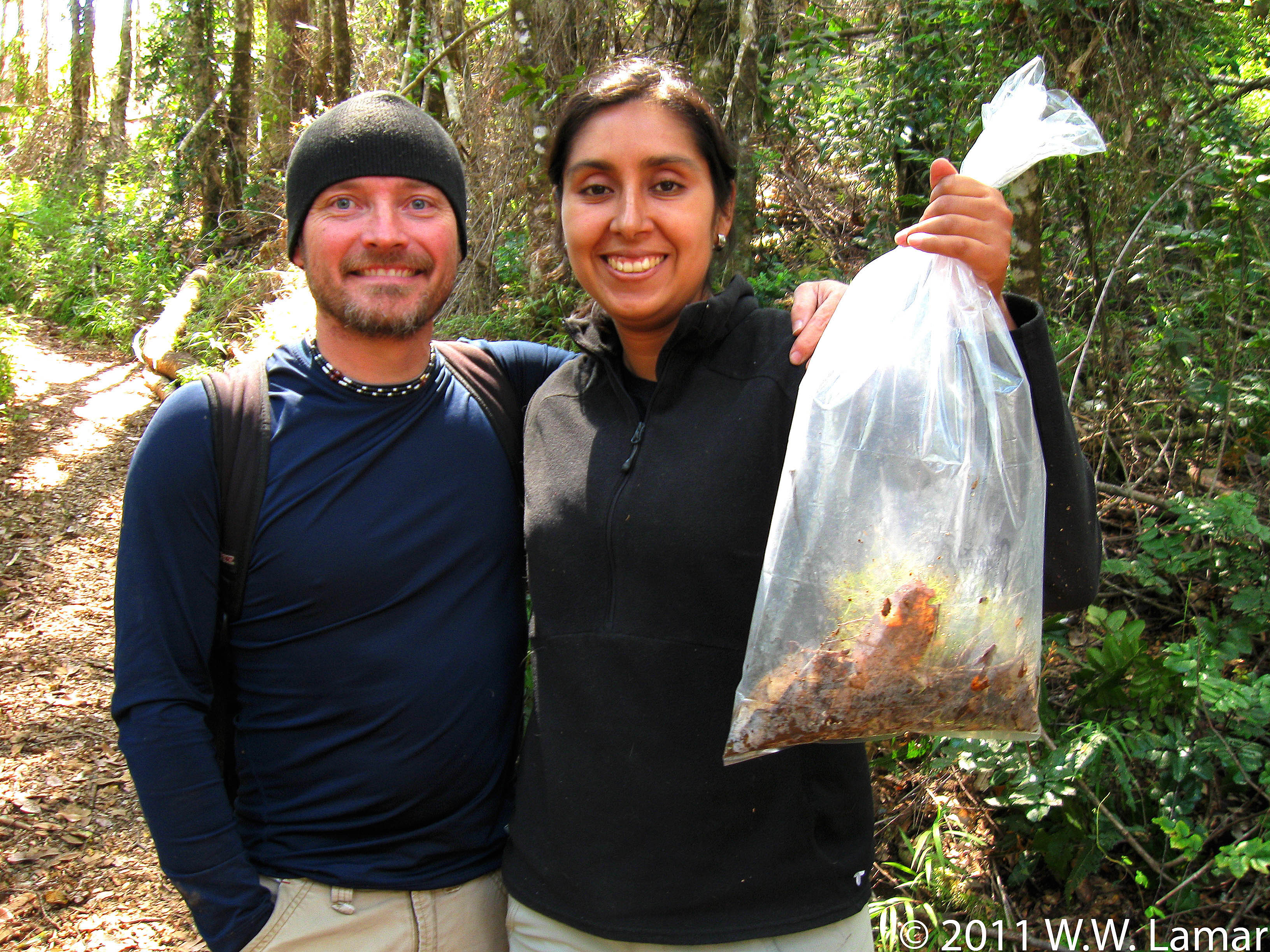
Dante and Marcela hold up a bag of frogs from one of their collecting sites. It is nice to get freshly captured frogs right back to the zoo to start the process of settling them into their enclosures at the lab.
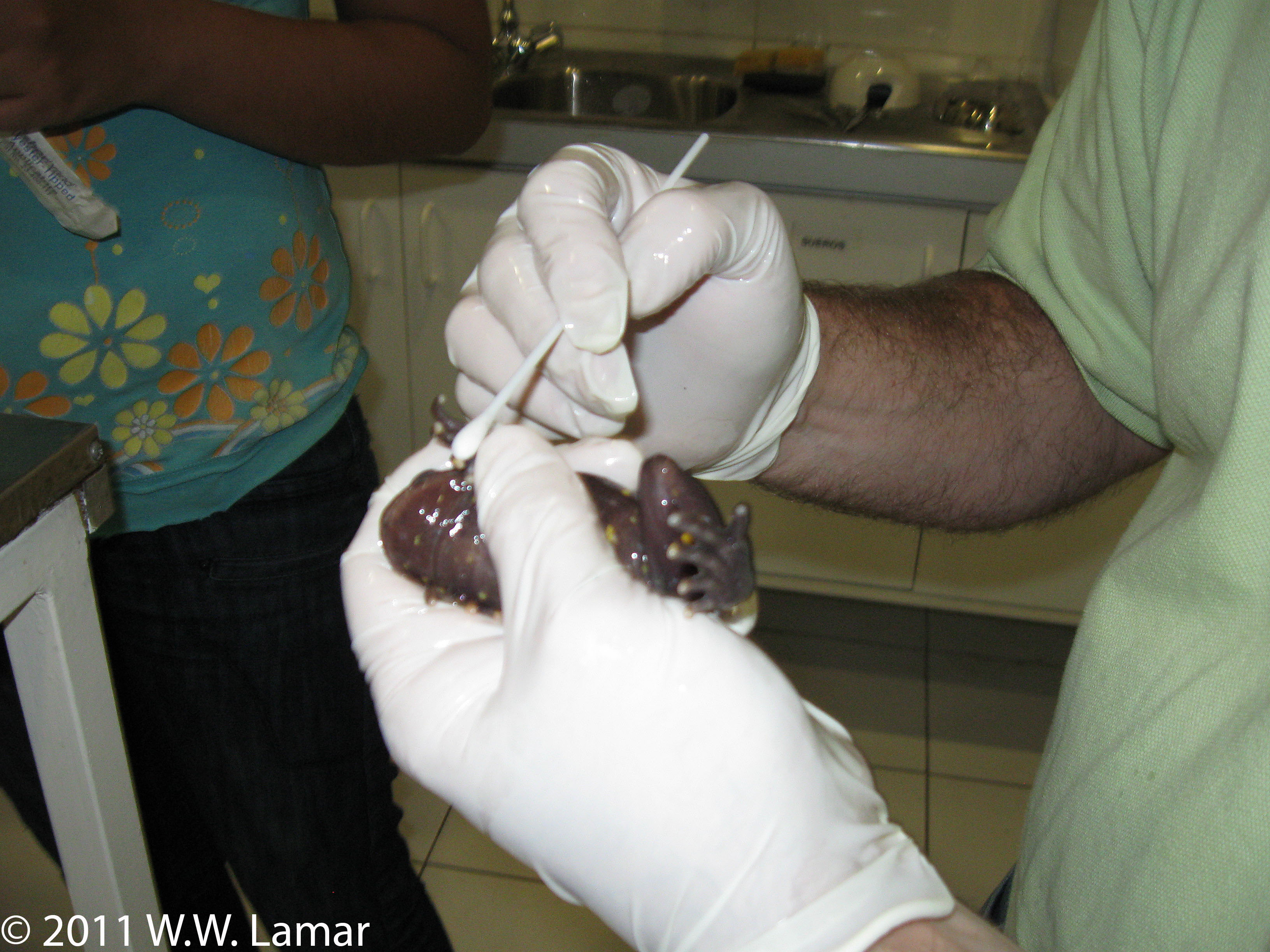
All frogs going into quarantine are tested for amphibian chytrid fungus.
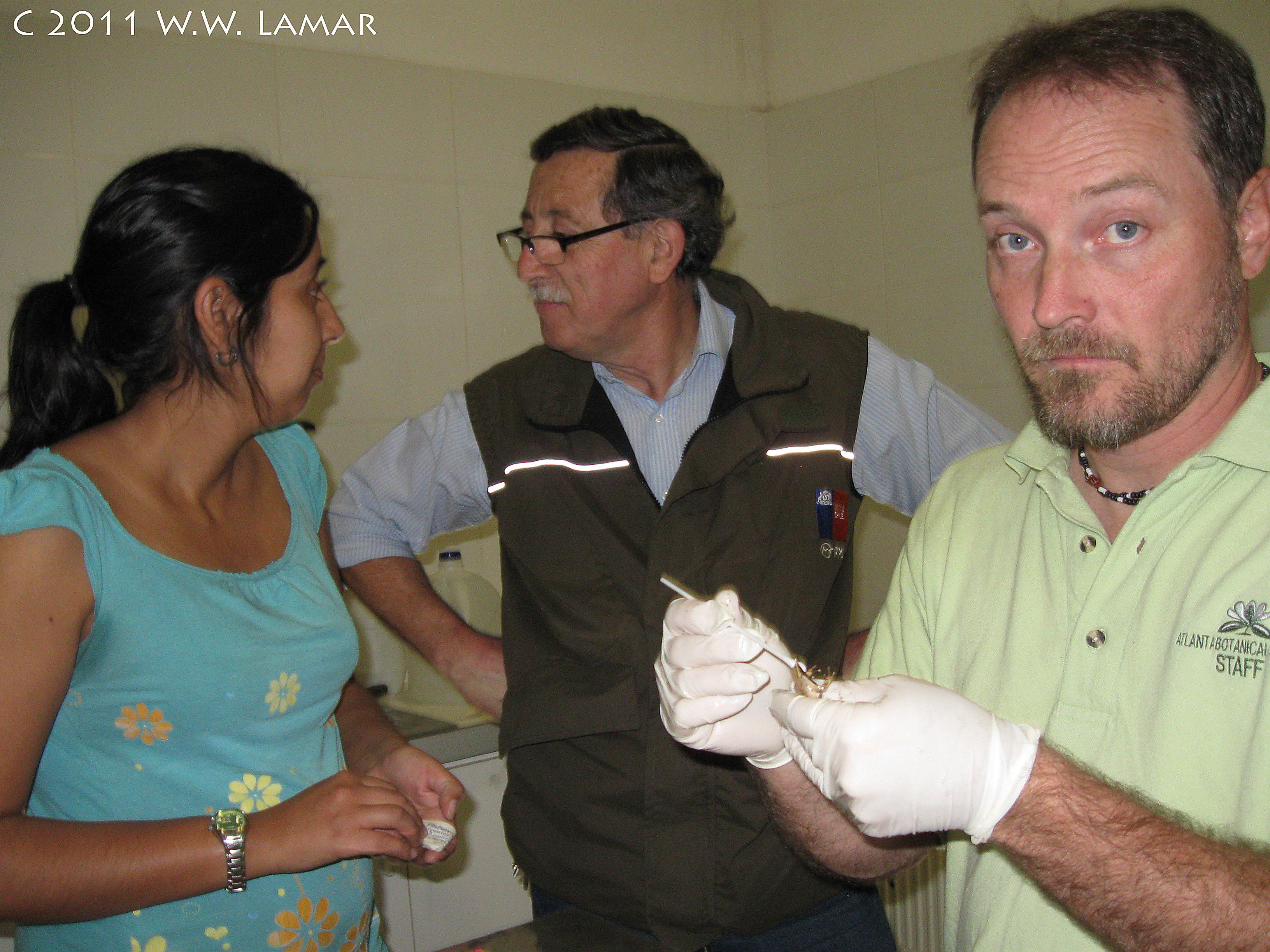
The process of collecting a non-invasive skin swab to test for amphibian disease.
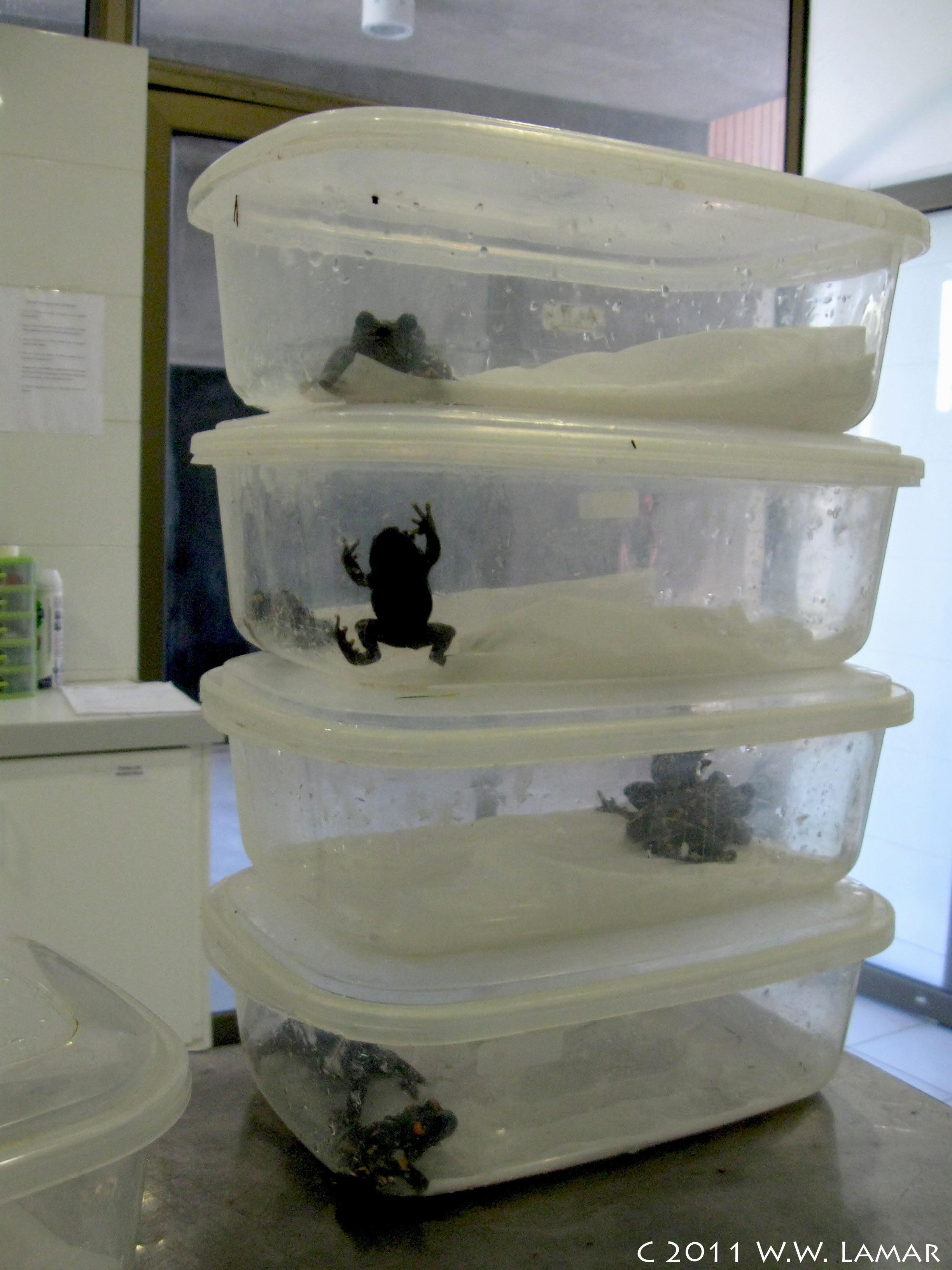
Each frog is set up in its own enclosure when in quarantine. The enclosures are cleaned out daily.
Back in the Field
We have been working in the field to collect specimens for captive assurance colonies. We have also been monitoring for emergent infectious disease. Here are a few shots from this field trip.

Our field work is often times set where the Andes Mountains are in the background. This is actually a time exposure of the moon rising over the Andes.
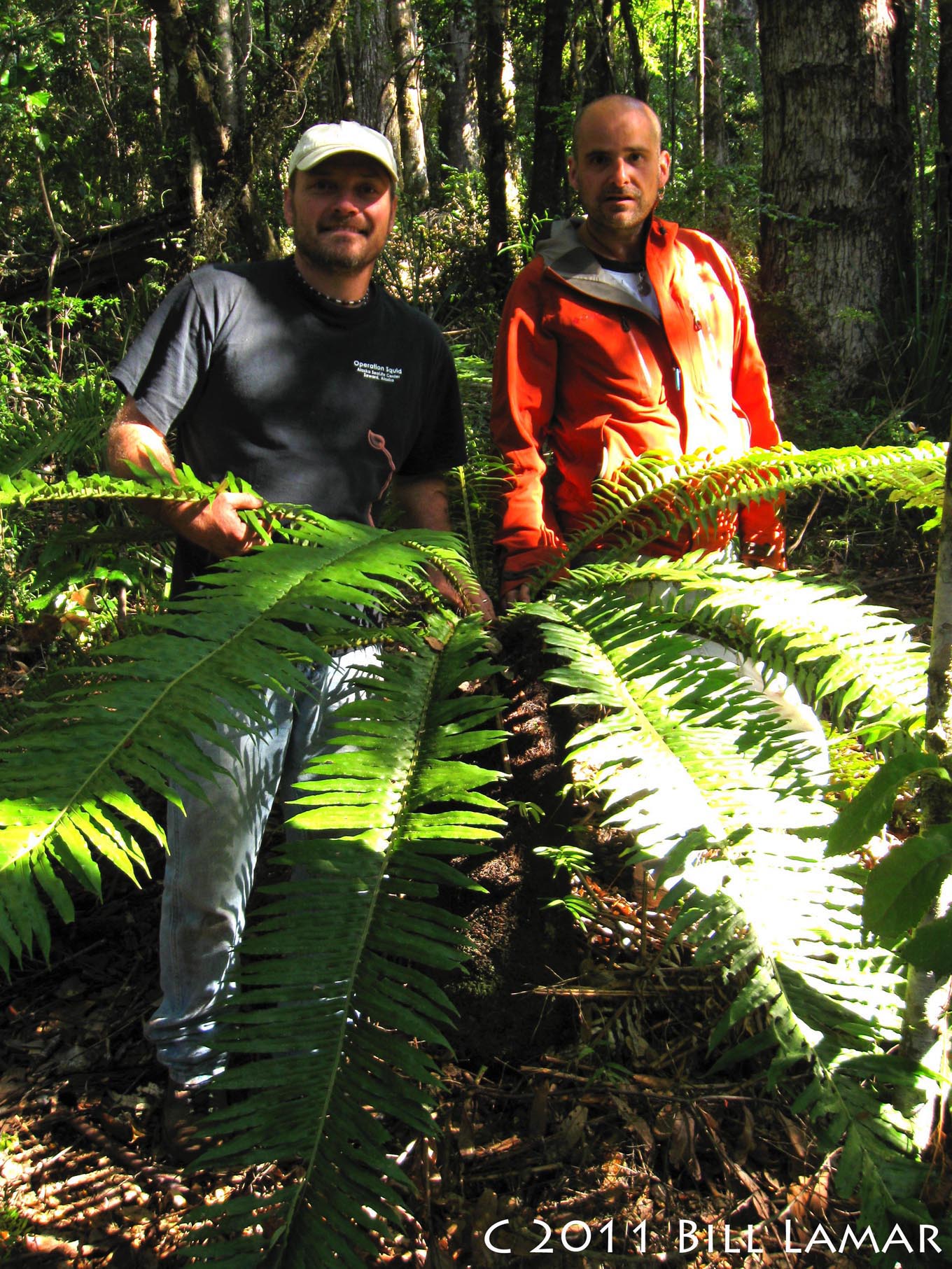
When surveying localities with old growth forest, we sometimes come across special plants. This is a special fern (probably a species of Blechnum) common to older growth forest.
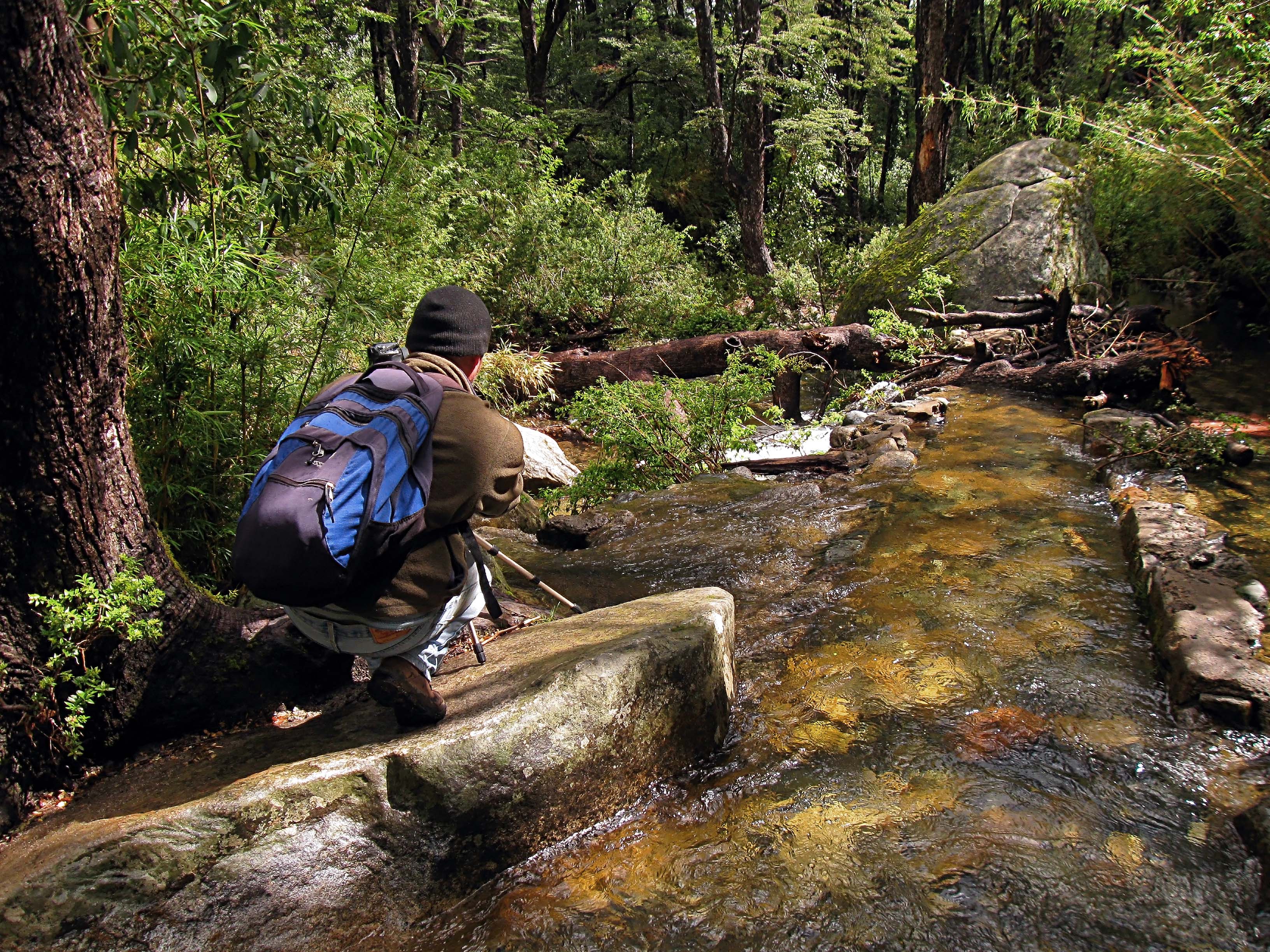
One of us setting up along a stream to take a photograph.
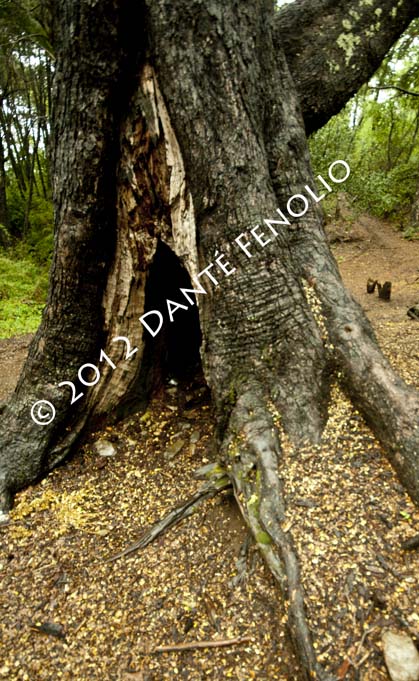
The southern beech forests of south Chile are special places. The trees can grow to old ages and their presence develops leaf litter on the forest floor that many Chilean amphibians prefer to live within.
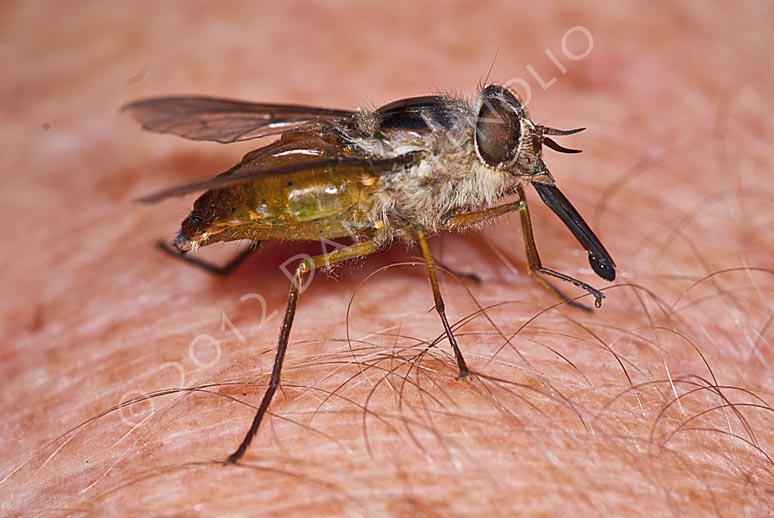
Every now and again the biting flies get thick.
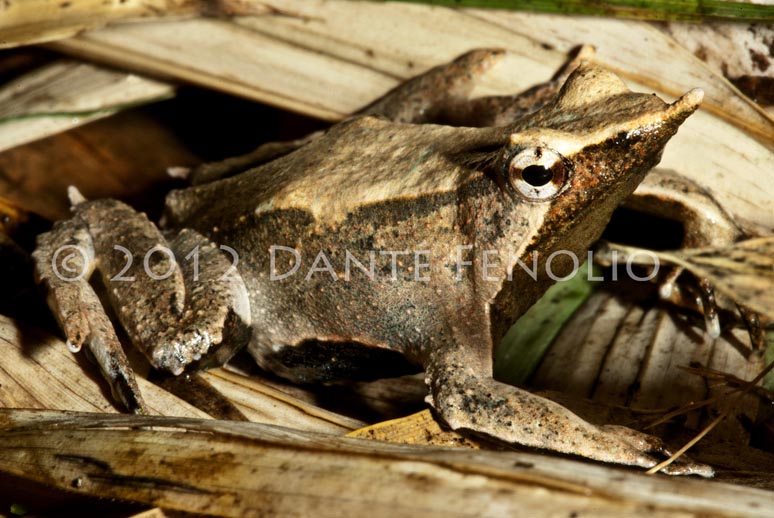
From a side profile, Darwin’s Frogs (Rhinoderma darwinii) may not appear all that cryptic.
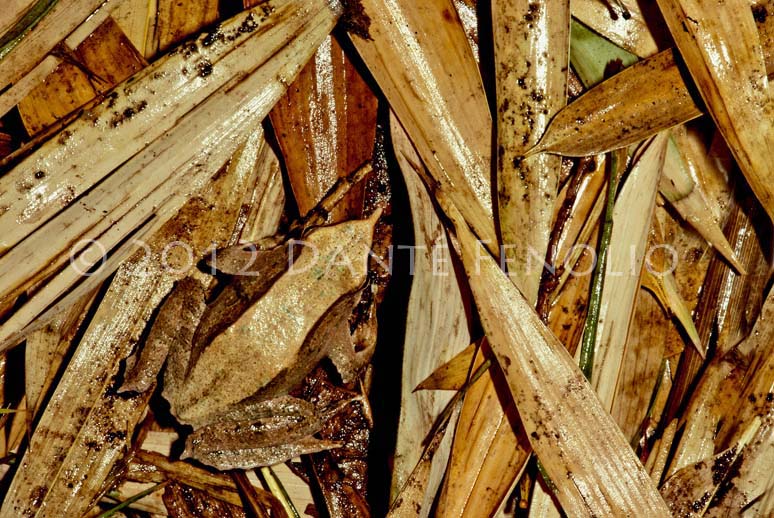
Looking down from above, Darwin’s Frogs are very cryptic and blend in best with bamboo leaf litter.

Darwin’s Frogs come in a variety of colors and patterns. This specimen is particularly attractive.
More Baby Darwin’s Frogs
Spring has arrived in Chile and the Darwin’s Frogs in our breeding lab at the National Zoo of Chile in Santiago have started breeding earlier than last year.
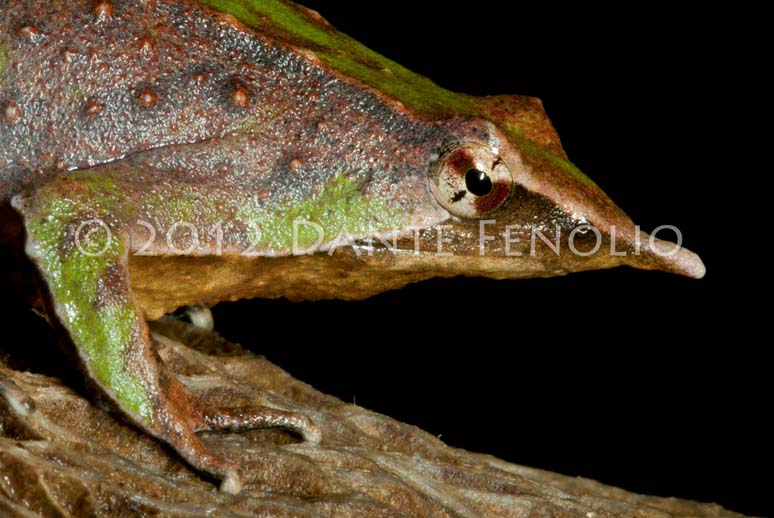
Our frogs are ready for reproduction after fattening up over the long winter (North America’s summer).
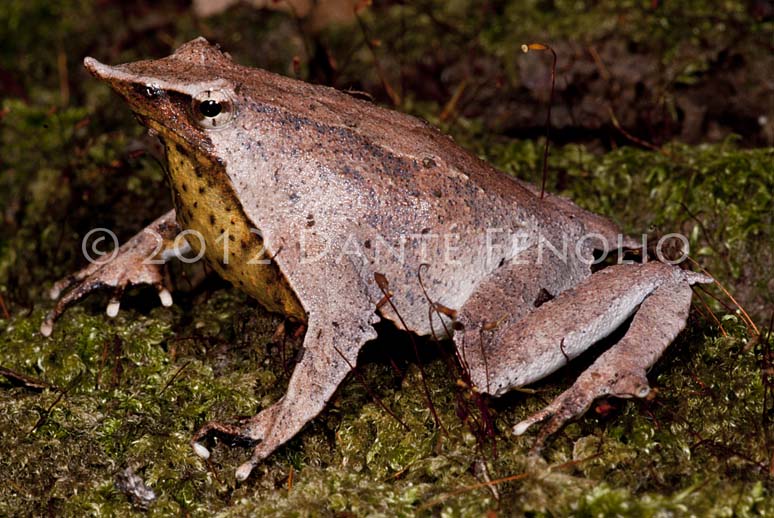
This male frog is carrying young in its vocal sac.
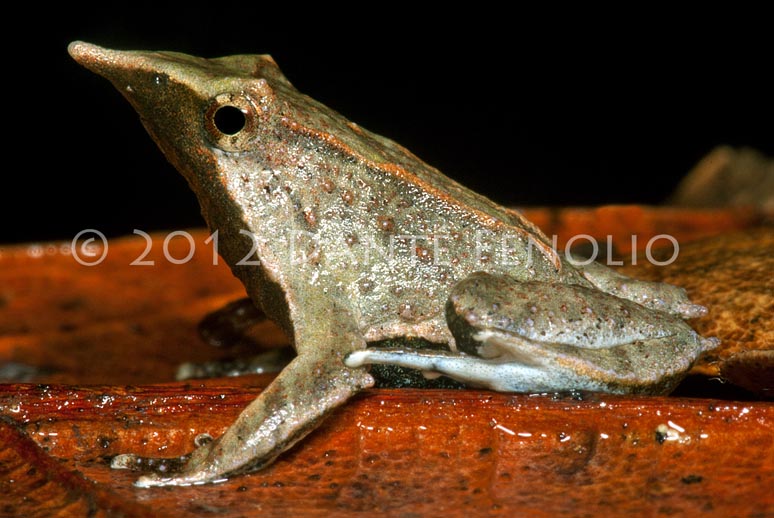
This baby frog is roughly three months old. As you can see, Darwin’s Frogs sometimes require time to grow into their long noses!
More Media Coverage in Chile!
We certainly appreciate this great newspaper article in Chile!
http://www.lun.com/Pages/NewsDetail.aspx?dt=2011-06-08&PaginaId=6&bodyid=0
We are in the news again!
We are thrilled to have had such a great article written about our recent success!
http://cosmiclog.msnbc.msn.com/_news/2011/06/03/6780149-captive-male-frog-coughs-up-babies
The Frogs are Breeding Again
For the last few months, it’s been that time of year again. The frogs in the lab have been breeding. So far, this year has been a good year for reproductive output by the colony. We wanted to provide a few images of what we have been seeing in the lab…enjoy!
This male Darwin's Frog in our facility remained with the developing clutch (his hand rests on the eggs) for most of their developmental period.
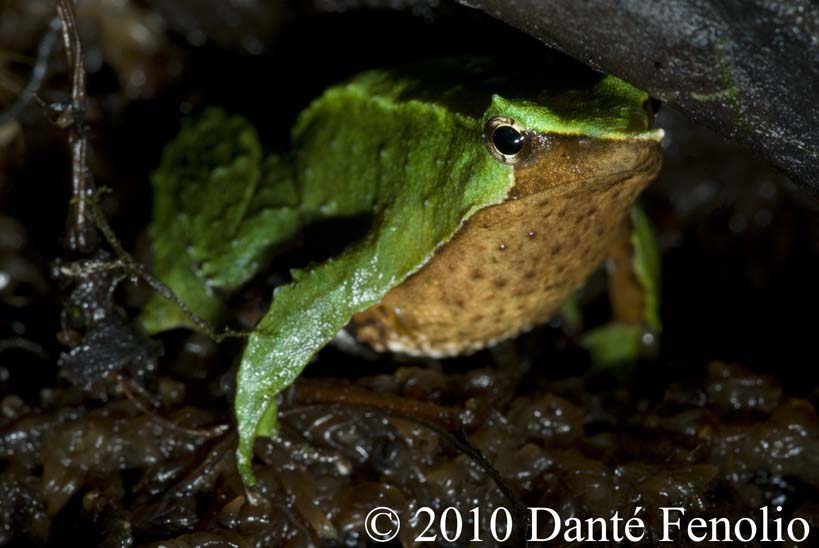
This male is brooding a clutch in his vocal sac. He was photographed through the front opening doors of his terrarium without having to disturb him.
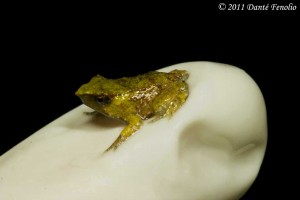
The babies are very small when they are first "coughed up" by the male. This baby was recently spit out.
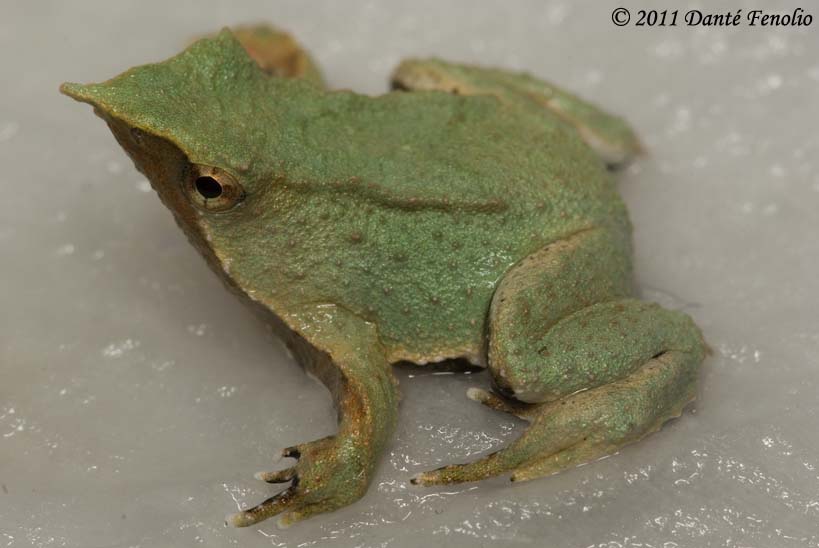
Some of the babies develop green coloration early off.
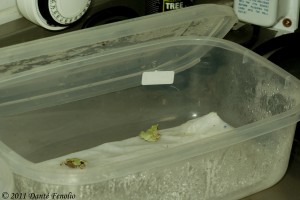
We never keep more than two babies in a container. We like to make sure that each baby gets enough to eat.
MUCH more to come…
Looking at the finished lab now…

The Darwin's Frog sculpture that artist Bernardo Oryan produced now sits to the left of the lab.
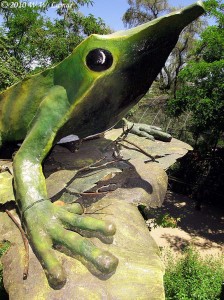
Our objective with the sculpture was to bring kids to the lab...and its worked!
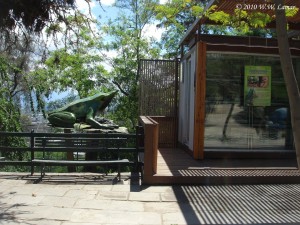
The Darwin's Frog sculpture, just to the left of the lab.
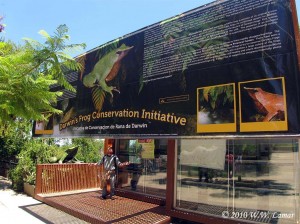
The massive banner hanging in front of the lab really helps educate visitors about amphibian decline, the plight of Chile's amphibians, and about what our project is doing with Darwin's Frogs.
Invasive Amphibians
Introducing a species into a place where it is not native is never a good idea. More times than not, the introduced species creates serious environmental problems. Often times, the problems are not things that could have easily been predicted. Native species often suffer after introductions. Introduced species may use native species as prey, they might out compete native species, or they may degrade some aspect of the habitat that ultimately hurts native species.
One introduction that threatens to pose serious problems in Chile is that of the African Clawed Frog (Xenopus laevis). This aquatic species is native to Africa but has been introduced to areas around the world. Because these frogs do so well in aquaria, they have been used for human pregnancy testing, in genetics, developmental, and environmental toxicology labs, and they have been a staple in the pet trade. African Clawed Frog are voracious predators, eating any small aquatic animal that it can fit into their mouth. These frogs can produce potent skin toxins and can poison larger native species that try to eat them. Importantly, African Clawed Frogs carry but are not damaged by the disease, amphibian chytrid fungus. In carrying the disease on their skin, they can spread the disease to native species as they are moved around by humans. African Clawed Frogs are often kept as pets in aquariums. The problem is that when the pet owner changes the water, that water is infected with amphibian chytrid fungus. The water winds up in a local wetland and exposes native amphibians to the disease. Amphibian chytrid fungus has devastated amphibian communities around the globe. Moving African Clawed Frogs around, in the pet trade or otherwise, is risky and could seriously damage native amphibian populations.
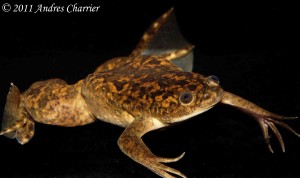
An introduced species in Chile, the African Clawed Frog (Xenopus laevis) may have been the carrier of amphibian chytrid fungus to Chile.
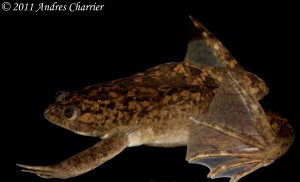
The African Clawed Frog (Xenopus laevis) has been introduced to rivers in Chile.
Running into Rare Frogs…
With so much time in the field, we bump into all kinds of rare and infrequently seen amphibians. Here are a few of the recent encounters…
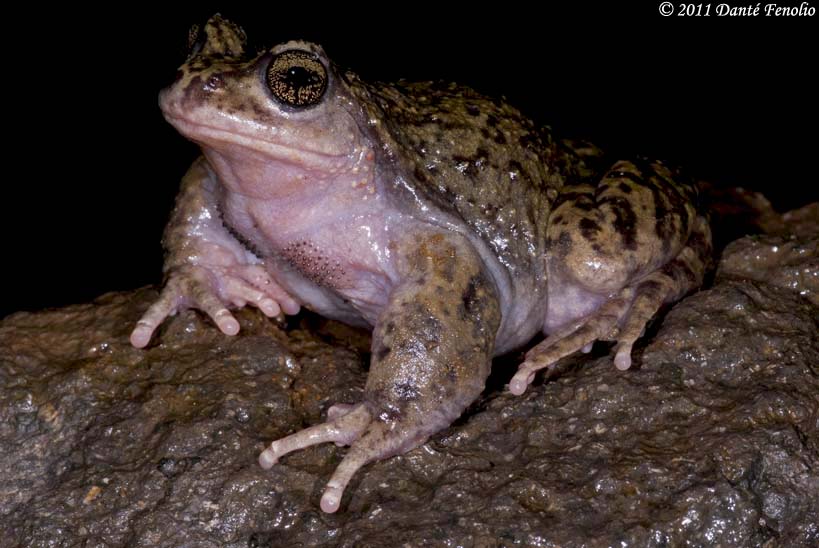
The La Parva Spiny-chest Frog (Alsodes tumultuosus) inhabits a tiny patch of habitat near a ski resort. This male is in breeding condition - notice the keritonized spines on his chest. They are for helping him hold onto a female.
The La Parva Spiny-chest Frog (Alsodes tumultuosus) inhabits a tiny patch of habitat near a ski resort.
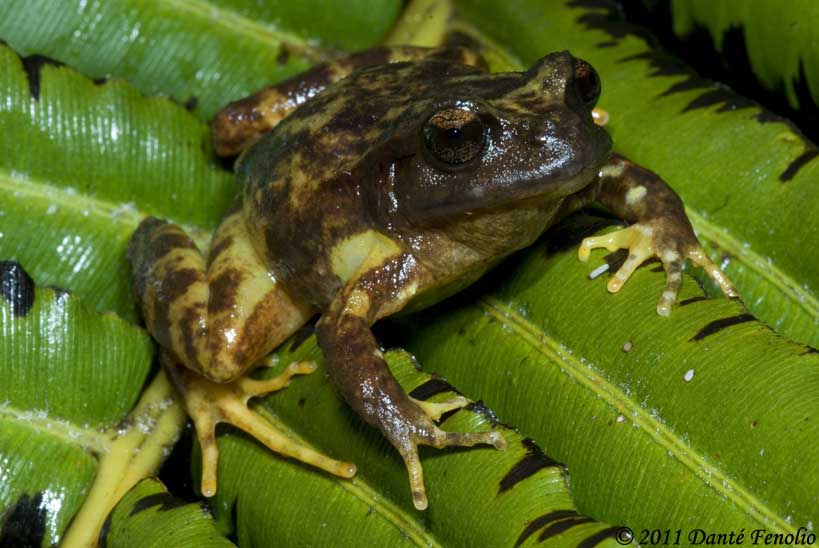
The Contulmo Ground Frog (Eusophus contulmoensis) is now restricted to a tiny roadside park.
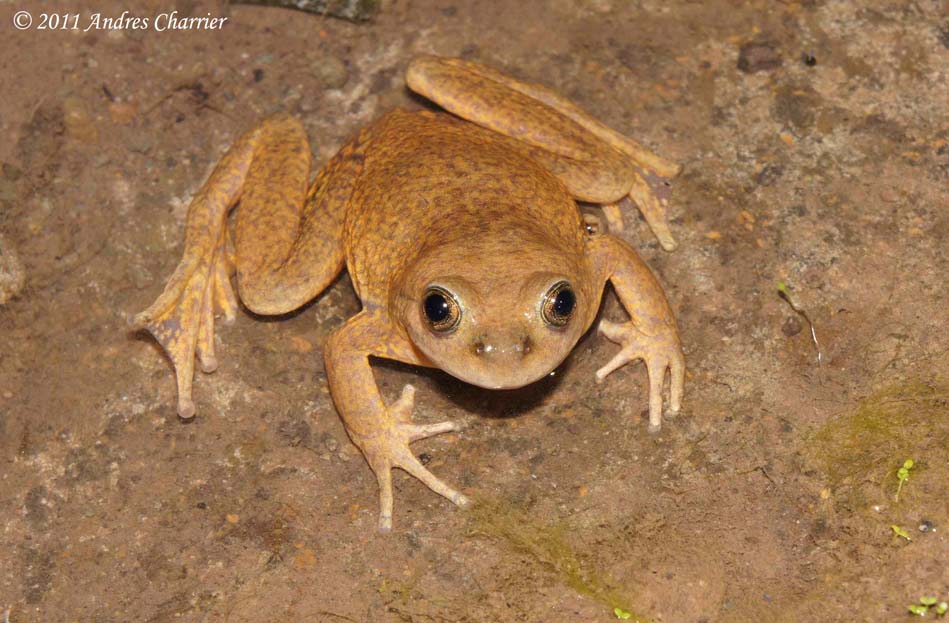
The Mountain Spiny-chest Frog (Alsodes montanus) is found in Central Chile at elevations above 2000m.
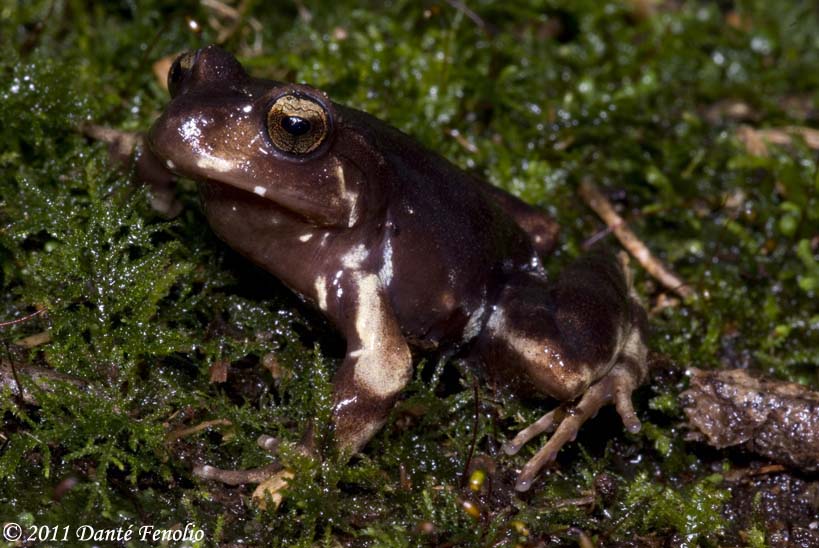
Miguel's Ground Frog (Eupsophus migueli) is know from its type locality Known only from the type locality (Mehuín, Valdivia Province, Chile).
The Chile Mountains False Toad (Telmatobufo venustus) is a spectacular frog with a very small range.
The Chile Mountains False Toad (Telmatobufo venustus); this is a young adult.
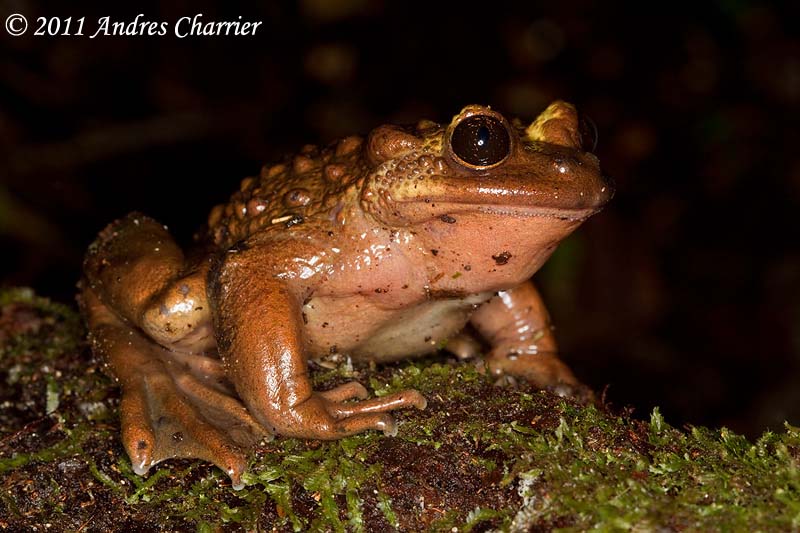
Bullock’s Mountains False Toad (Telmatobufo bullocki) is widely considered one of the rarest frogs in Chile.
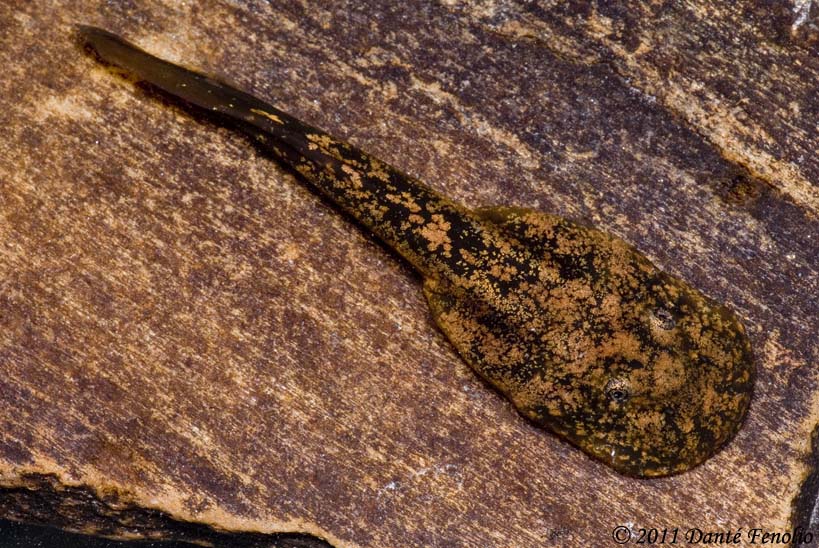
The tadpoles of the False Toads are a stream type tadpole with a suctorial disc to scrape food from the substrate and hold on in fast flowing waters.