Why we do what we do – Por qué hacemos lo que hacemos
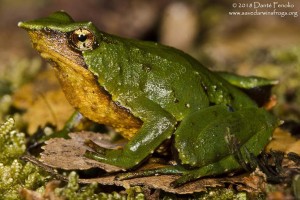
Why we do what we do…the temperate rainforests of Chile are some of the rarest forests on Earth – not much remains of these habitats anywhere in the world. Temperate rainforests receive more than 100 inches (254 centimeters) of rainfall each year, qualifying as rainforests – but they do not exist at tropical latitudes. A swath of the coastal mountain range in Chile and the Andean foothills in Chile and adjacent Argentina were once covered with these forests. Today, only forest fragments exist. These forests have been isolated for a very long time. The Atacama Desert to the north, the Pacific Ocean to the west, and the Andes Mountains to the east have served as barriers such that most of the fauna and flora in this region is endemic (found no place else on Earth). So it’s time to meet the inhabitants of this special place. I’ll start with this species – the Darwin’s Frogs (Rhinoderma darwinii). These unique amphibians were “discovered” by Charles Darwin on his famous Beagle voyage – folks had known of them prior but this was the first biologist that brought them into focus with regard to western science. Both species of Darwin’s Frogs employ a unique reproductive behavior. Males brood their developing tadpoles inside of their vocal sacs. Female Darwins Frogs deposit eggs on the damp forest floor of the temperate rainforests of Chile and Argentina after approaching a calling male. The males fertilizes the eggs and remain nearby. Just after the eggs hatch, the male takes the tadpoles into his mouth and manipulates them through a hole below his tongue and into his vocal sac. They will remain there and pass all the way through their development into small frogs (in Rhinoderma darwinii). When the babies are ready to live on their own, the male literally “coughs” up fully developed miniatures of the adults. With Chile’s Darwins Frog (Rhinoderma rufum) males “cough up” late stage tadpoles into pools of water. These frogs are endangered. Chile’s Darwins Frog has not been observed in over 30 years. The Darwins Frog (Rhinoderma darwinii) has suffered a range decline owing to emergent infectious disease and habitat loss. These individuals were photographed in Southern Chile (except for the captive bred baby). This is one of the focal species for the collaboration between San Antonio Zoo, the Roger Williams Park Zoo, and the Austral University in Valdivia, Chile.
Por qué hacemos lo que hacemos … las selvas templadas de Chile son algunos de los bosques más raros de la Tierra, no quedan muchos restos de estos hábitats en ningún lugar del mundo. Las selvas tropicales templadas reciben más de 100 pulgadas (254 centímetros) de lluvia cada año, calificándose como selvas tropicales, pero no existen en las latitudes tropicales. Una franja de la cordillera costera en Chile y las estribaciones andinas en Chile y Argentina adyacente alguna vez se cubrieron con estos bosques. Hoy en día, solo existen fragmentos de bosque. Estos bosques han estado aislados durante mucho tiempo. El Desierto de Atacama al norte, el Océano Pacífico al oeste y la Cordillera de los Andes al este han servido como barreras para que la mayor parte de la fauna y la flora en esta región sean endémicas (no se encuentra en ningún otro lugar en la Tierra). Así que es hora de conocer a los habitantes de este lugar especial. Comenzaré con esta especie: las ranas de Darwin (Rhinoderma darwinii). Charles Darwin “descubrió” estos anfibios únicos en su famoso viaje al Beagle: la gente los había conocido antes, pero este fue el primer biólogo que los enfocó con respecto a la ciencia occidental. Ambas especies de ranas de Darwin emplean un comportamiento reproductivo único. Los machos empollan sus renacuajos en desarrollo dentro de sus sacos vocales. Las ranas darwins hembra depositan sus huevos en el suelo húmedo de las selvas templadas de Chile y Argentina después de acercarse a un macho llamado. Los machos fertilizan los huevos y permanecen cerca. Justo después de que los huevos eclosionan, el macho se lleva los renacuajos a la boca y los manipula a través de un agujero debajo de su lengua y en su saco vocal. Permanecerán allí y pasarán todo el camino de su desarrollo en pequeñas ranas (en Rhinoderma darwinii). Cuando los bebés están listos para vivir solos, el macho literalmente “tose” miniaturas completamente desarrolladas de los adultos. Con los machos de la rana Darwins (Rhinoderma rufum) de Chile se “tosen” los renacuajos de la etapa final en charcos de agua. Estas ranas están en peligro de extinción. La rana Darwins de Chile no se ha observado en más de 30 años. La rana de Darwins (Rhinoderma darwinii) ha sufrido una disminución en el rango debido a enfermedades infecciosas emergentes y pérdida de hábitat. Estas personas fueron fotografiadas en el sur de Chile (a excepción del bebé criado en cautividad). Esta es una de las especies principales para la colaboración entre el Zoológico de San Antonio, el Zoológico Roger Williams y la Universidad Austral en Valdivia, Chile.

Why we do what we do – Por qué hacemos lo que hacemos
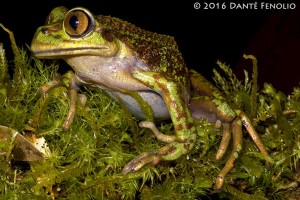
Why we do what we do…the temperate rainforests of Chile are some of the rarest forests on Earth – not much remains of these habitats anywhere in the world. Temperate rainforests receive more than 100 inches (254 centimeters) of rainfall each year, qualifying as rainforests – but they do not exist at tropical latitudes. A swath of the coastal mountain range in Chile and the Andean foothills in Chile and adjacent Argentina were once covered with these forests. Today, only forest fragments exist. These forests have been isolated for a very long time. The Atacama Desert to the north, the Pacific Ocean to the west, and the Andes Mountains to the east have served as barriers such that most of the fauna and flora in this region is endemic (found no place else on Earth). So it’s time to meet the inhabitants of this special place. The Chile Mountain False Toad (Telmatobufo venustus) is a critically endangered species with only one healthy population remaining; however, the streams that run through the remaining site are filled with non-native trout that eat the tadpoles of the species. The future is grim for this amphibian. Why are they so cool? They are ancient! The “False Toads” aren’t closely related to any other frogs in Chile – or, for that matter, any other frogs on the South American continent. The closest relatives that these frogs have are Australian frogs. That’s right, these frogs arose as a group while Gondwana was still a “supercontinent.” As Gondwana broke up, the frogs broke into two groups: one in contemporary Chile, the rest in what is now Australia. More evidence for plate tectonics.
Por qué hacemos lo que hacemos … las selvas templadas de Chile son algunos de los bosques más raros de la Tierra, no quedan muchos restos de estos hábitats en ningún lugar del mundo. Las selvas tropicales templadas reciben más de 100 pulgadas (254 centímetros) de lluvia cada año, calificándose como selvas tropicales, pero no existen en las latitudes tropicales. Una franja de la cordillera costera en Chile y las estribaciones andinas en Chile y Argentina adyacente alguna vez se cubrieron con estos bosques. Hoy en día, solo existen fragmentos de bosque. Estos bosques han estado aislados durante mucho tiempo. El Desierto de Atacama al norte, el Océano Pacífico al oeste y la Cordillera de los Andes al este han servido como barreras para que la mayor parte de la fauna y la flora en esta región sean endémicas (no se encuentra en ningún otro lugar en la Tierra). Así que es hora de conocer a los habitantes de este lugar especial. El sapo falso de la montaña de Chile (Telmatobufo venustus) es una especie en peligro crítico con una sola población sana; sin embargo, los arroyos que corren a través del sitio restante están llenos de truchas no nativas que comen los renacuajos de la especie. El futuro es sombrío para este anfibio. ¿Por qué son tan geniales? ¡Son antiguos! Los “sapos falsos” no están estrechamente relacionados con ninguna otra rana en Chile o, por lo demás, ninguna otra rana en el continente sudamericano. Los parientes más cercanos que tienen estas ranas son las ranas australianas. Así es, estas ranas surgieron como grupo mientras Gondwana todavía era un “supercontinente”. Cuando Gondwana se separó, las ranas se dividieron en dos grupos: uno en el Chile contemporáneo y el resto en lo que hoy es Australia. Más evidencia de la tectónica de placas.

Building an amphibian conservation breeding lab, part 3 / equipment for the lab – Construcción de un laboratorio de reproducción de conservación de anfibios, parte 3 / equipo para el laboratorio
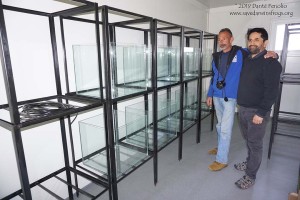
The delivery of some of our aquariums and custom built stands.
La entrega de algunos de nuestros acuarios y stands personalizados.
Building an amphibian conservation breeding lab, part 2 / The lab is delivered – Construcción de un laboratorio de reproducción para la conservación de anfibios, parte 2 / Se entrega el laboratorio
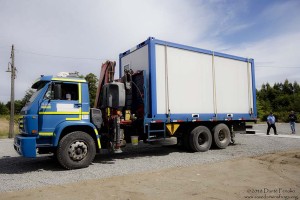
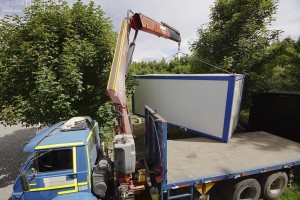
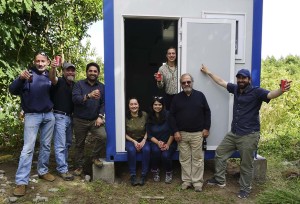
We wanted to provide images of the delivery of one of our labs – shipping containers made into conservation breeding labs!
Queríamos proporcionar imágenes de la entrega de uno de nuestros laboratorios: ¡contenedores de envío realizados en laboratorios de cría de conservación!
Building an amphibian conservation breeding lab, part 1 / Construyendo un laboratorio de conservación y reproducción de anfibios, parte 1
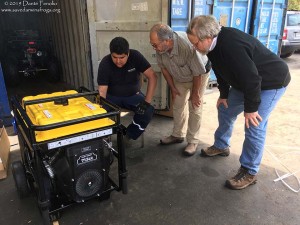
Any good lab needs a generator to ensure that electricity is not interrupted. We began our development of this new lab with the purchase of an electrical generator.
Cualquier buen laboratorio necesita un generador para garantizar que la electricidad no se interrumpa. Comenzamos nuestro desarrollo de este nuevo laboratorio con la compra de un generador eléctrico.
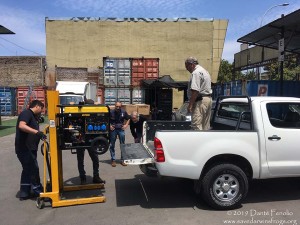
We were able to arrange a truck to transport the generator from Santiago to Valdivia, Chile.
Pudimos arreglar un camión para transportar el generador desde Santiago a Valdivia, Chile.
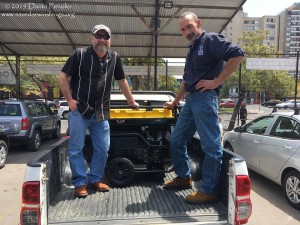 San Antonio Zoo and the Roger Williams Park Zoo are collaborating with the Austral University in Valdivia, Chile, to implement this special lab. Representatives from both zoos respectively (Danté Fenolio, left and Lou Perrotti, right) pose with the new generator in the truck that will carry it to Valdivia.
El zoológico de San Antonio y el zoológico Roger Williams están colaborando con la Universidad Austral en Valdivia, Chile, para implementar este laboratorio especial. Representantes de ambos zoológicos respectivamente (Danté Fenolio, izquierda y Lou Perrotti, derecha) posan con el nuevo generador en el camión que lo llevará a Valdivia.
What species will we work with in the new amphibian conservation lab at the Austral University in Valdivia, Chile? / ¿Con qué especies trabajaremos en el nuevo laboratorio de conservación de anfibios en la Universidad Austral de Valdivia, Chile?
One species we work with is Darwin’s Frog (Rhinoderma darwinii). We have already spent much time working with this species in our other labs in Chile and we plan on introducing captive produced offspring into protected areas (contingent on permits by both wildlife departments in Chile).
Una especie con que trabajamos es la rana de Darwin (Rhinoderma darwinii). Ya hemos pasado mucho tiempo trabajando con dicha especie en nuestros otros laboratorios en Chile y planeamos introducir crías producidas en cautiverio en áreas protegidas (dependiendo de los permisos de ambos departamentos de vida silvestre en Chile).
A location has been chosen for the new conservation breeding lab / Se ha elegido un lugar para el nuevo laboratorio de crianza de conservación.
Have you seen the news?
¿Has visto las noticias?

The Austral University in Valdivia, Chile, has identified a site for our new amphibian conservation breeding lab – we can’t wait to get started in early 2019!! Our primary Chilean collaborator, Dr. José J. Nuñez, is someone we love working with and who can turn a lab like this into something magic for Chile’s amphibians.
La Universidad Austral de Valdivia, Chile, ha identificado un sitio para nuestro nuevo laboratorio de cría de conservación de anfibios. ¡No podemos esperar a comenzar a principios de 2019! Nuestro principal colaborador chileno, el Dr. José J. Núñez, es alguien con quien amamos trabajar y que puede convertir un laboratorio como este en algo mágico para los anfibios de Chile.
A new conservation breeding lab is on the way / Un nuevo laboratorio de cría de conservación está en camino
We will begin development of a new conservation breeding lab in collaboration with the Roger Williams Park Zoo and the Austral University in Valdivia, Chile, in 2019 – lots of details still being ironed out but this is an important step in the progression of our program!!
Comenzaremos el desarrollo de un nuevo laboratorio de crianza de conservación en colaboración con el Roger Williams Park Zoo y la Universidad Austral en Valdivia, Chile, en 2019: ¡muchos detalles aún están siendo resueltos, pero este es un paso importante en la progresión de nuestro programa!!
New Publication! / Nueva publicación!
The Chilean Amphibian Conservation Center team had another publication come out:
El equipo del Centro de Conservación de Anfibios de Chile tuvo otra publicación:
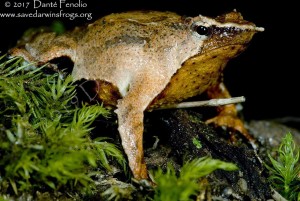
Parada, D.E., D.B. Fenolio, A.P. Olivares, and J.J. Nuñez. 2017. Insuetophrynus acarpicus Barrio, 1970 (Anura:
Rhinodermatidae): new distribution record at the edge of the Valdivian coastal range, southern Chile. Check List 13(1): 1–4.
Amphibian Surveys / Encuestas de anfibios
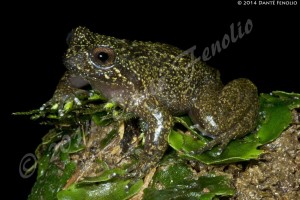
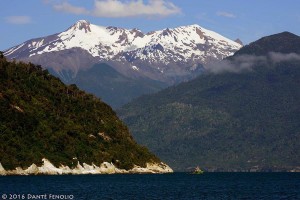
The Chilean Amphibian Conservation Center team performed an amphibian survey along the coast of southern Chile in January.
El equipo chileno del Centro de Conservación de Anfibios realizó una encuesta de anfibios a lo largo de la costa del sur de Chile en Enero.
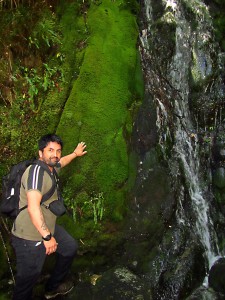
To the left you can see one of the survey team members with a curtain of moss.
A la izquierda puede ver a uno de los miembros del equipo de la encuesta con una cortina de musgo.
We also got to see a lot of amazing amphibians, including the Emerald Forest Frog (Hylorina sylvatica).
También pudimos ver muchos anfibios increíbles, incluida la Rana del Bosque Esmeralda (Hylorina sylvatica).